
November 17, 2026
The School of Computing and Information’s 3Sixty program has undergone major growth in the past three years, giving first-year students a unique learning and networking opportunity.
The program began in a small rendition in 2023, with the pilot launching that summer. 3Sixty started by offering small set of students three interdisciplinary summer courses: Narrative and Technology, Introduction to Computing for the Humanities, and Comparative Digital Privacies.
Alfred Moyé (A&S ’68G); a Pitt alum, former Pitt chemistry professor, former Dean of Student Affairs, and former Vice Chancellor of Student Affairs who served on the School of Library and Information Science’s and then SCI's Board of Visitors; helped create the program alongside Dean Bruce Childers and former Executive Associate Dean Adam Lee.
Rosta Farzan, associate dean of Engaged Scholarship and professor at SCI, said the motivation behind the current iteration of the program was to offer underrepresented students in computing important professional experiences.
“The focus was on broadening access to computing for students who face systemic barriers,” Farzan said.
Since its inception, the program has grown into a year-long curriculum where students are given coursework and the opportunity to work on real-world projects in collaborations with community organization partners.
“It now spans the full academic year with coursework in fall and spring, followed by a structured paid summer internship placing students with real community organizations,” Farzan said. “What began as a summer academic program has matured into a comprehensive, year-round ecosystem of learning, mentorship, and community impact.”
2026’s program welcomed a new cohort of nine, but those that were present for previous iterations are still involved. Farzan said people involved with the program leave a lasting legacy, as students and community partners continue to come back.
“Students from the first cohort are continuing their involvement as peer mentors, supporting and guiding the incoming class,” Farzan said. “Our community partners have expressed strong interest in another summer partnership, reflecting the value they found in last year’s collaboration.”
One of the main aspects of the 3Sixty program for students is the opportunity to participate in a real-world project to apply their knowledge in addressing a community need. These projects can look completely different for each group, according to Farzan.
“The projects students are tackling are significant in scope and sophistication, from a fully deployed website for a community partner, to a data literacy program for high school youth, to a Roblox game designed to preserve the Kichwa language, to a game development camp to support middle school students in translating their original analog games to digital games,” Farzan said.
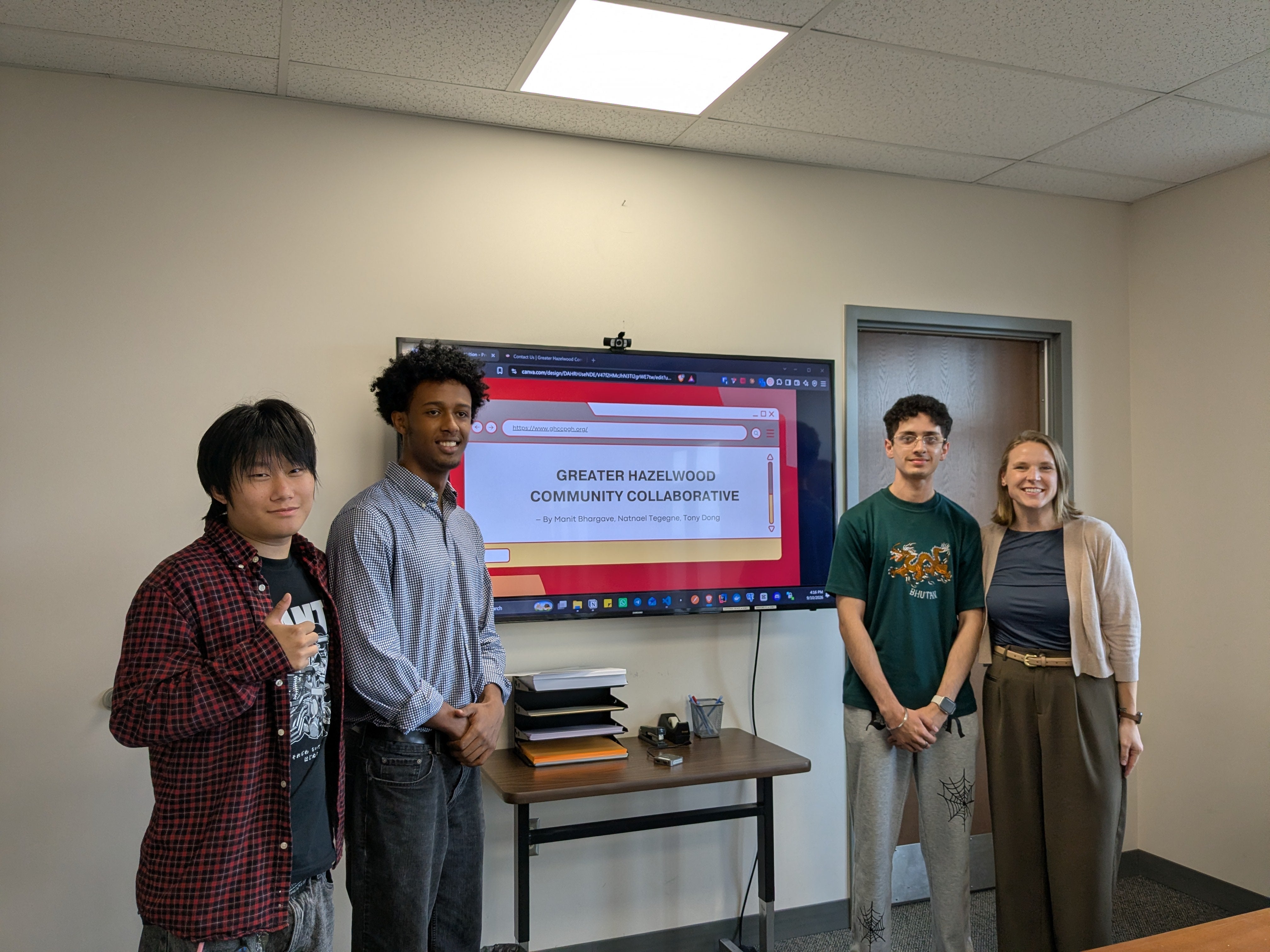
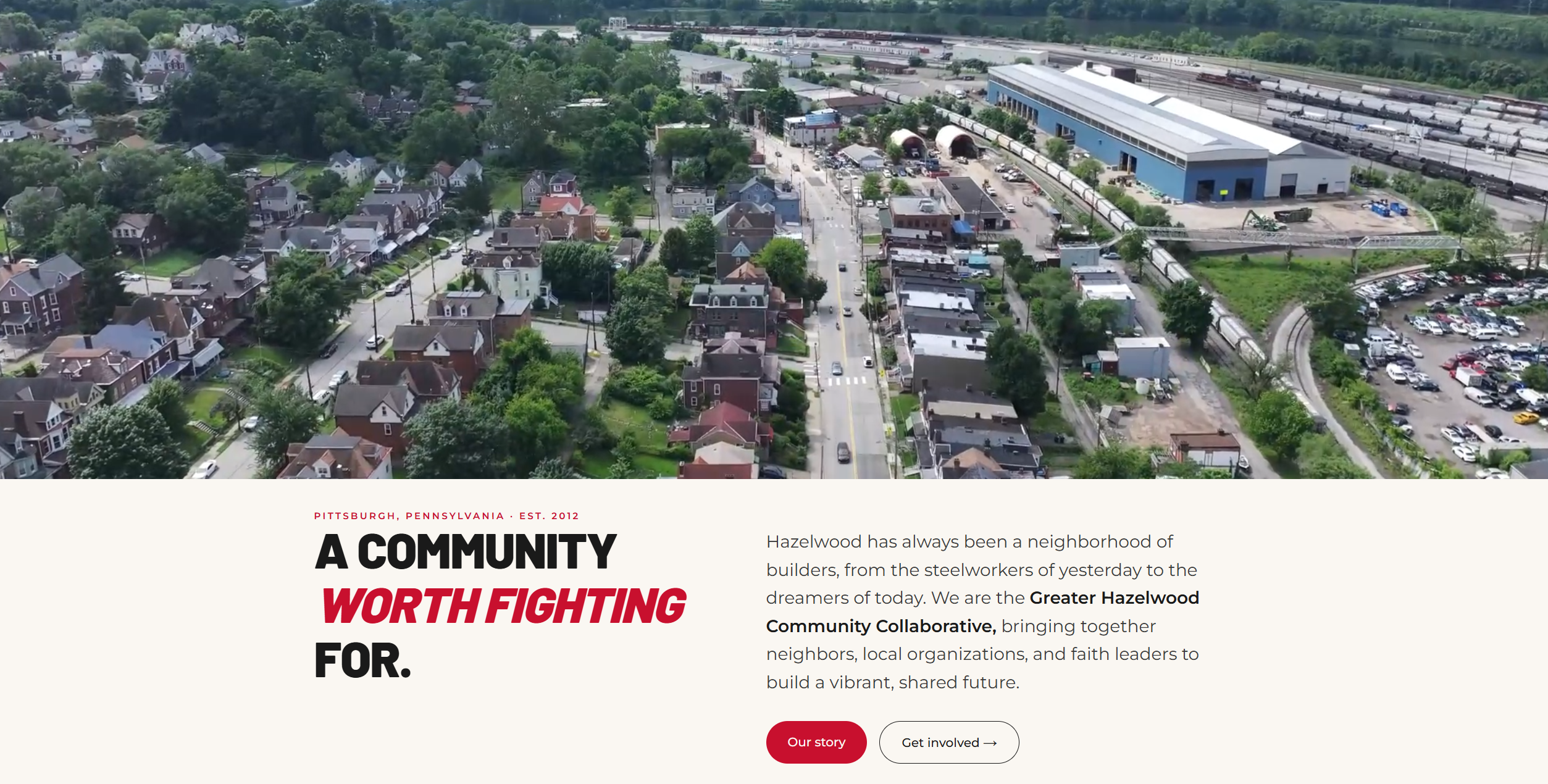
One project’s goal was to create a fully functional website for the non-profit Greater Hazelwood Community Collaborative. The team, made up of Natneal Tegegne (SCI ‘28), Tony Dong (SCI ‘29) and Manit Bhargave (SCI ‘29), had to create a working site that could be passed off to those at GHCC once the makers finished the 3Sixty program.
“We used a content management system for the back end where non-technical staff can go and edit [and] post. The website is customizable from the back end,” Tegegne said. “That was the goal. Understanding their problem and what they want to present and turning that into some type of product.”
Bhargrave explained that coordination between team members was an important part of the group’s success.
“We sectioned off the tasks, like creating the website, finding information [and] researching into multiple weeks,” Bhargrave said. “This was a 15-week program, so each week consisted of brainstorming and then putting all the information in one specific area and then constructing a formal website from that information that we had researched.”
Each of the members of the GHCC group came into the 3Sixty program early in their undergraduate careers. Dong said that because of this, 3Sixty gave them an optimal opportunity to learn.
“Coming into the project, we didn't really have any real-world experiences,” Dong said. “We came into the project knowing nothing about the community, nothing about the task at hand, and we had to build everything from the ground up.”
Despite this newness, the work the team completed for GHCC has stuck with each member. Tegegne said even though they have passed the website on, he still feels connected to their community partner.
“Until we start[ed] the project and went to their meeting and heard about their story of how the organization came into place and all of that — after [that], we felt a real connection with the community, and that stayed with me,” Tegegne said. “I still plan to go to their meetings in the future.”
Farzan said the 3Sixty program is important, not just because it gives students technical skills, but because it allows students to gain a civic education that will support them in their future careers.
“The nature of the program has been fostering disciplinary diversity,” Farzan said. “This reflects the program’s core philosophy that computing is a human-centered practice, not just a technical one.”
Please consider supporting SCI's 3Sixty program.